

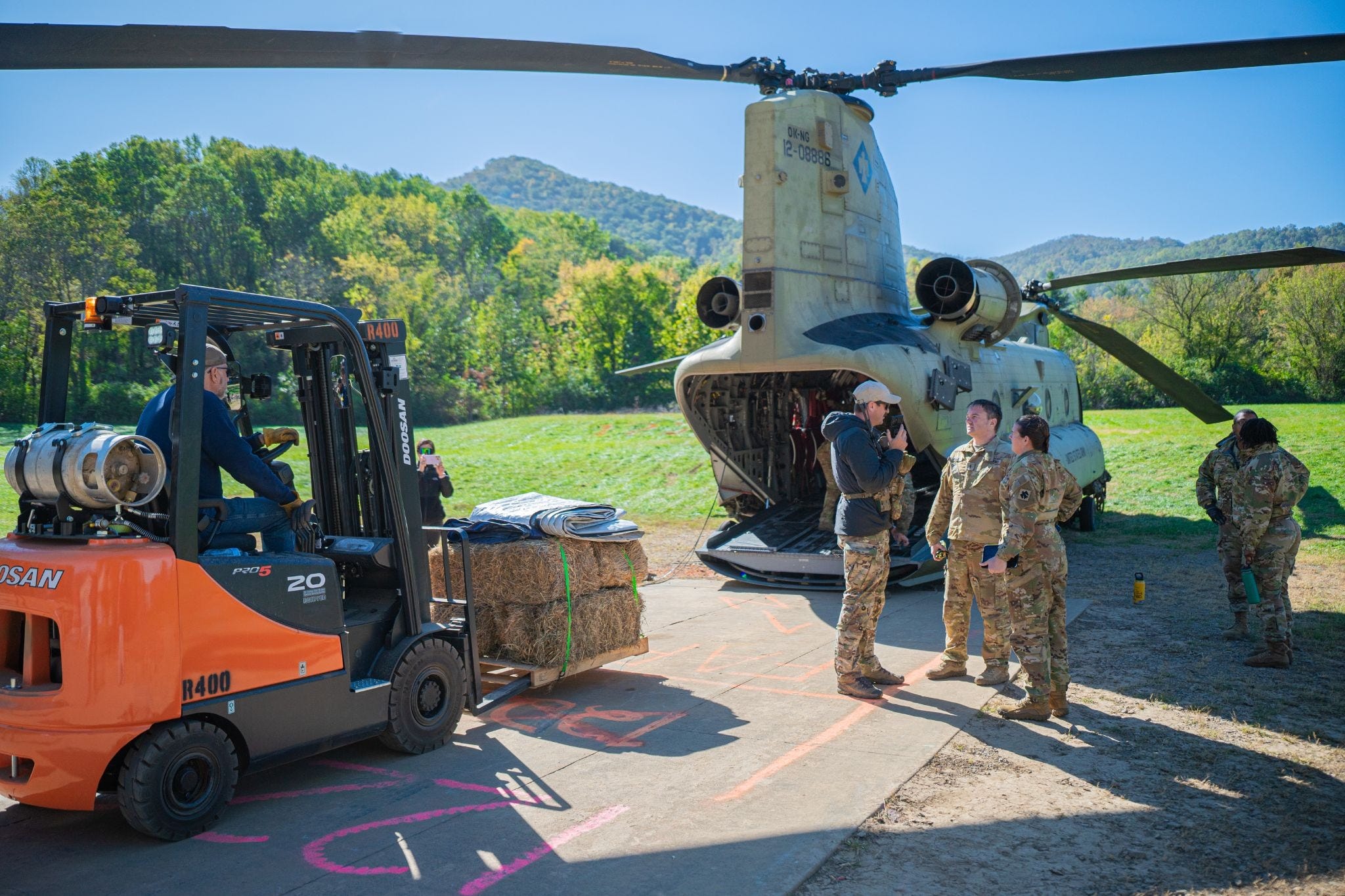
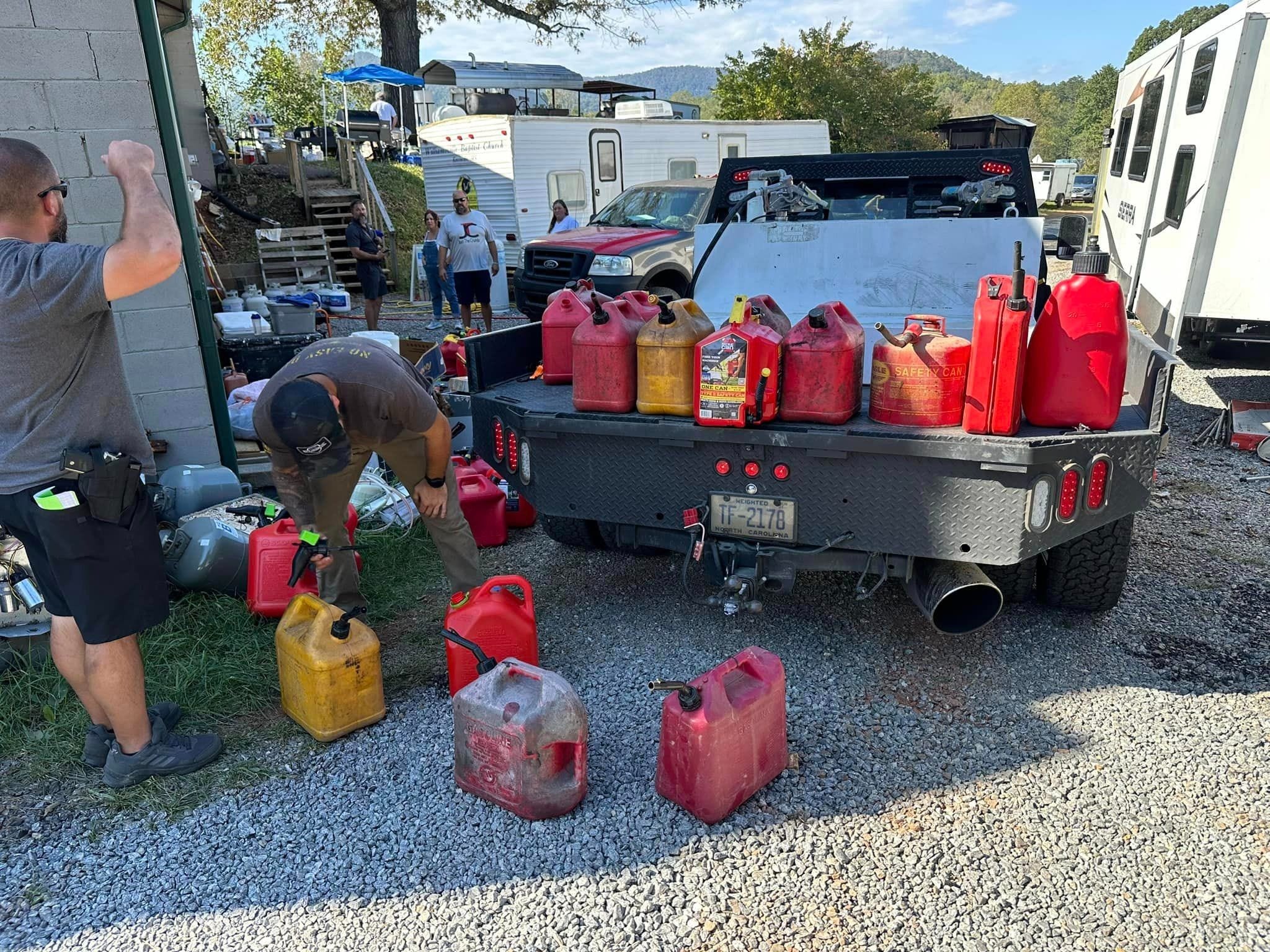
Rhonda Jean had a meeting scheduled with a mentor when Hurricane Helene hit. The meeting turned into an email instead, sent to his whole network: did anyone know how to move fuel? Venture capitalists up in the mountains had generators running but no way to fill them.
Rhonda wrote back, confused. “We have a 500-gallon tank on a trailer... each one of our trucks has 150-gallon tanks... what do you mean, move fuel?” He hadn’t known that was possible. When he asked how much she could move, she told him the real limit was money. He wrote back that money wasn’t the issue. “Nobody is bringing fuel into Western North Carolina,” he told her.
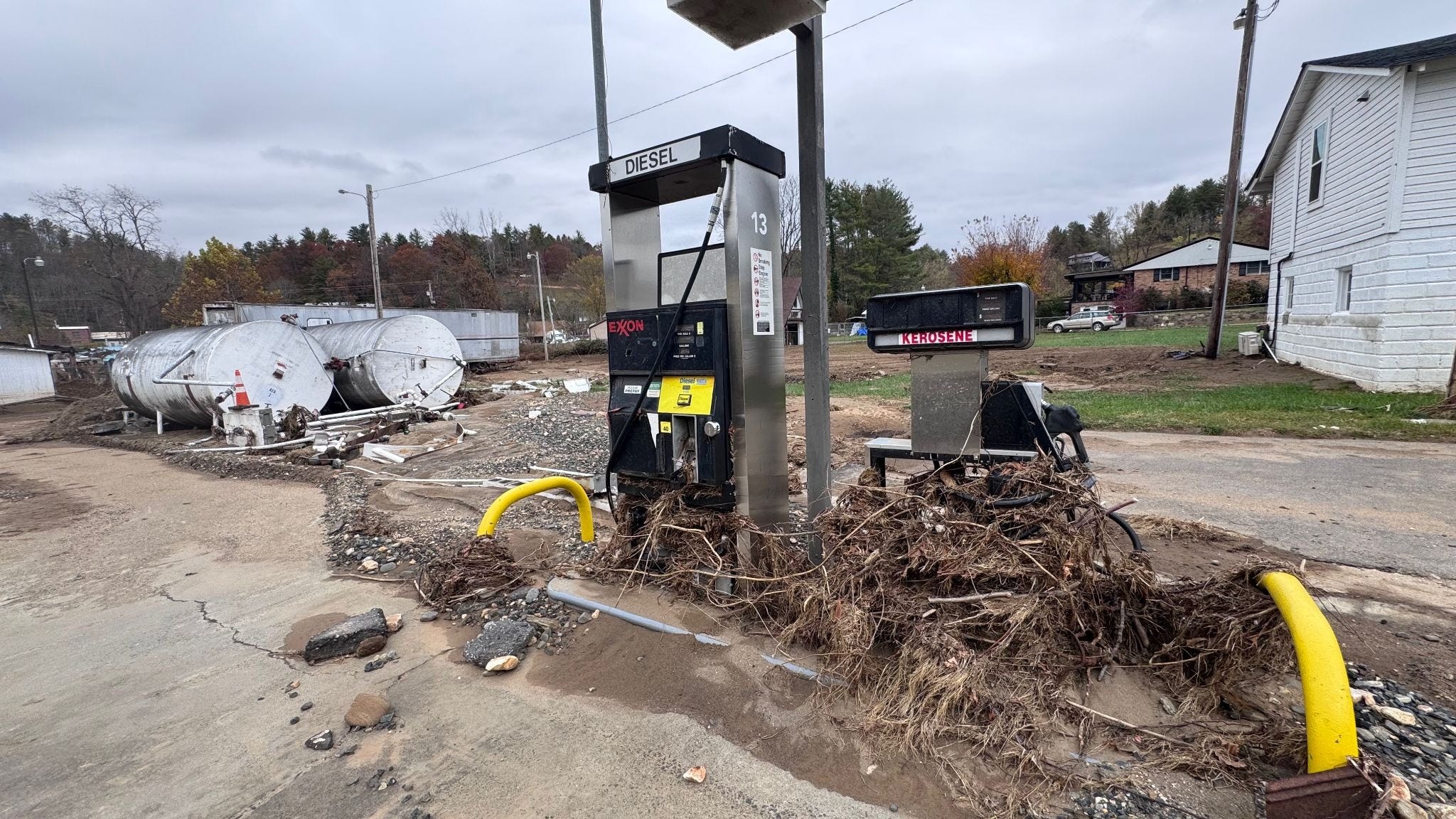
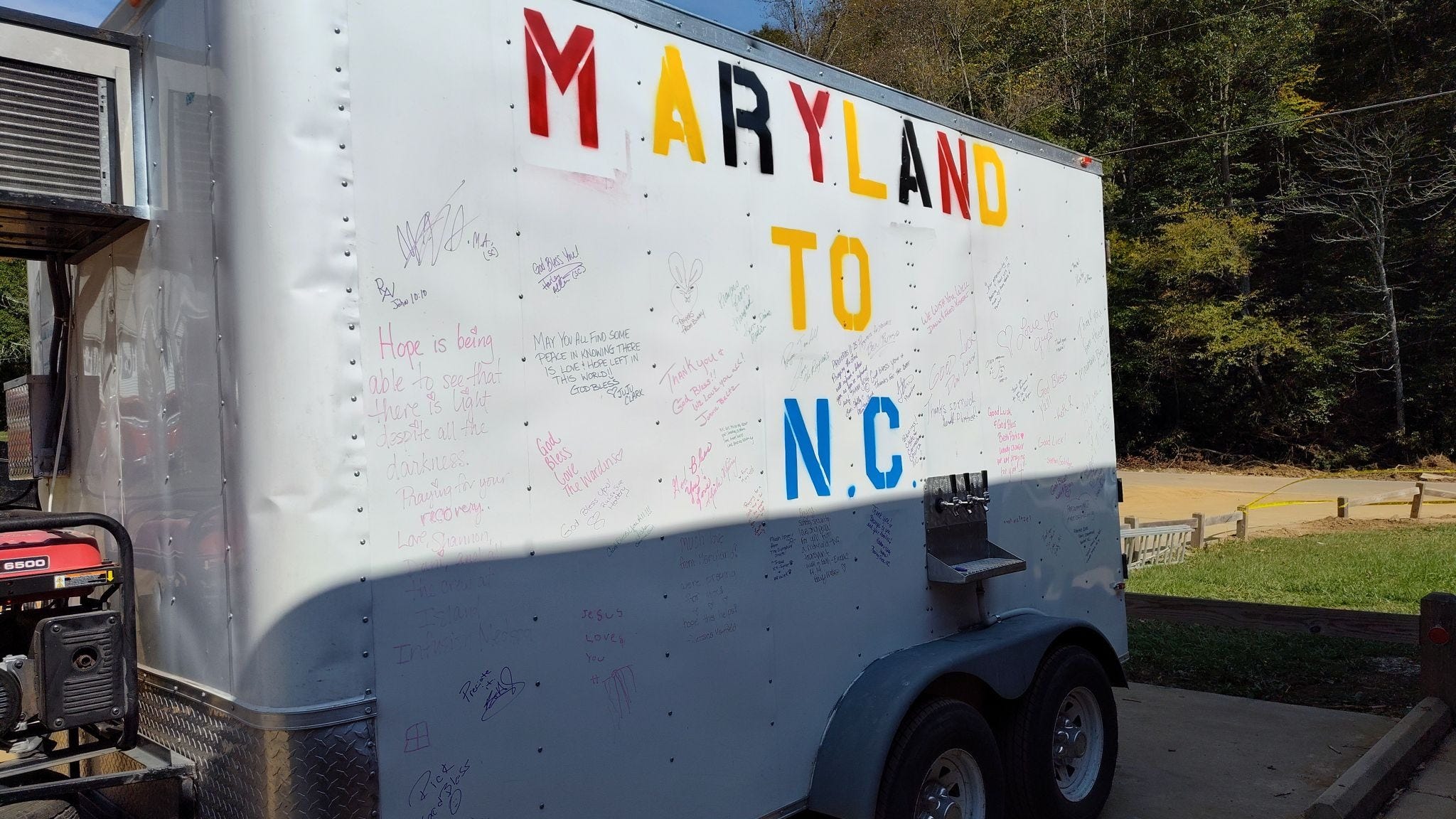
Within 48 hours, she had coordinated 14 drivers through her rural network, volunteer firefighters, construction workers, and farmers, and moved 40,000 gallons of fuel. She had never worked in disaster response or logistics before. Everything ran on pen and paper: checking Facebook, writing notes, texting back and forth, trying to get an address to line up with what Google Maps thought it meant, which it often didn’t.
Some of what she coordinated went to firehouses in the middle of active rescues that had simply run dry. “We’d have somebody say, ‘Hey, we need you to bring fuel to this location, and Google Maps would take us nowhere near that location,” she said.
Somewhere in nine months of eighteen-hour days, she thought back to a phrase from childhood. “We all grew up on the Boy Scout, Girl Scout motto of always being prepared,” she said.
“Why are we not prepared as a community to be able to respond before emergency responders get there, and then coordinate the needs of that community?”
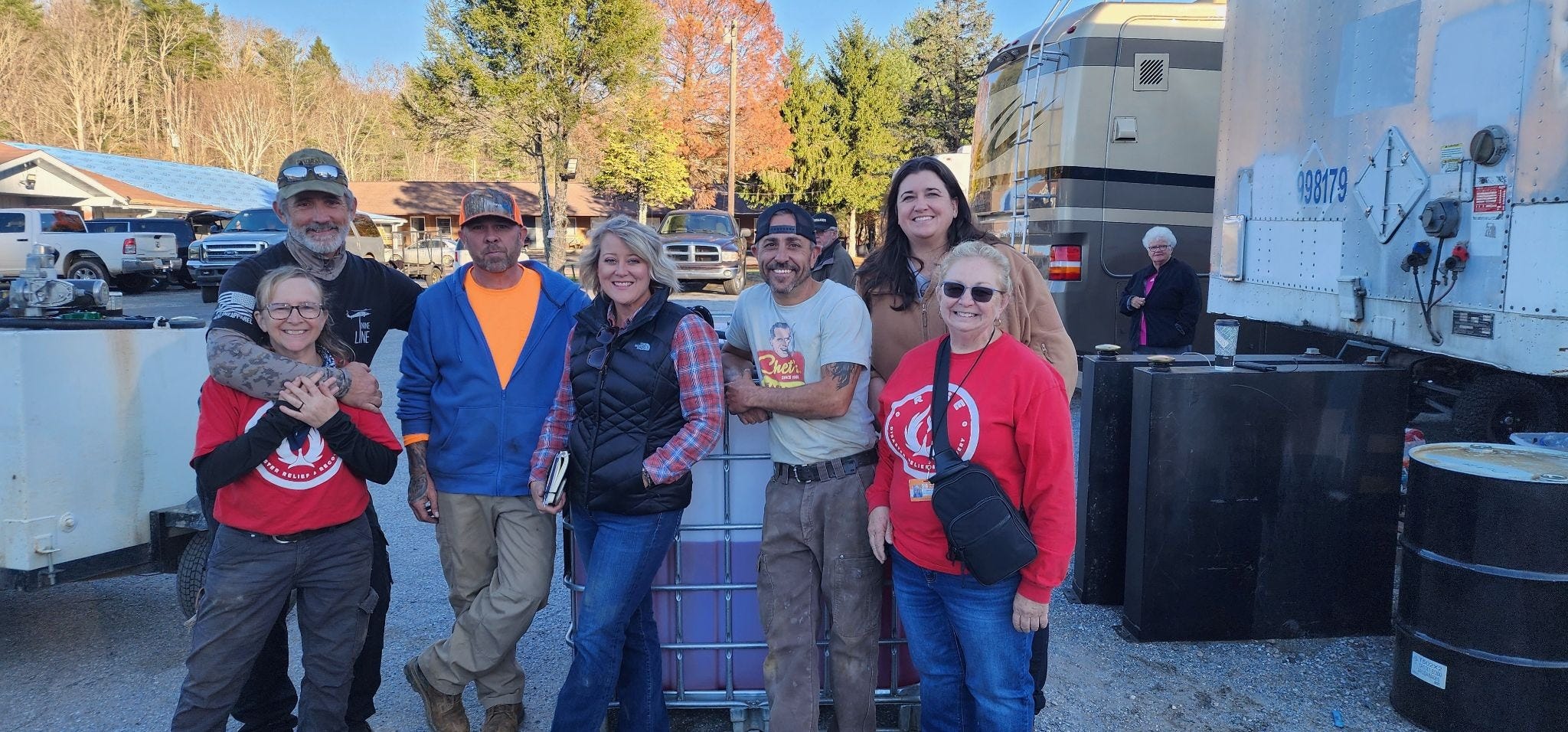
She was already building an answer. Nearby Nearby, her for-profit platform, built for rural communities and designed to help people find what’s around them without relying on scraped or ad-ranked data. Sitting in the middle of a disaster response, she realized the tool built to help a family find where to eat dinner could also tell a fuel coordinator where a generator was running and who needed it filled.
“That’s basically how it happened,” she said. “It’s through the stressors of trying to respond to such a massive disaster in the mountains of North Carolina.”
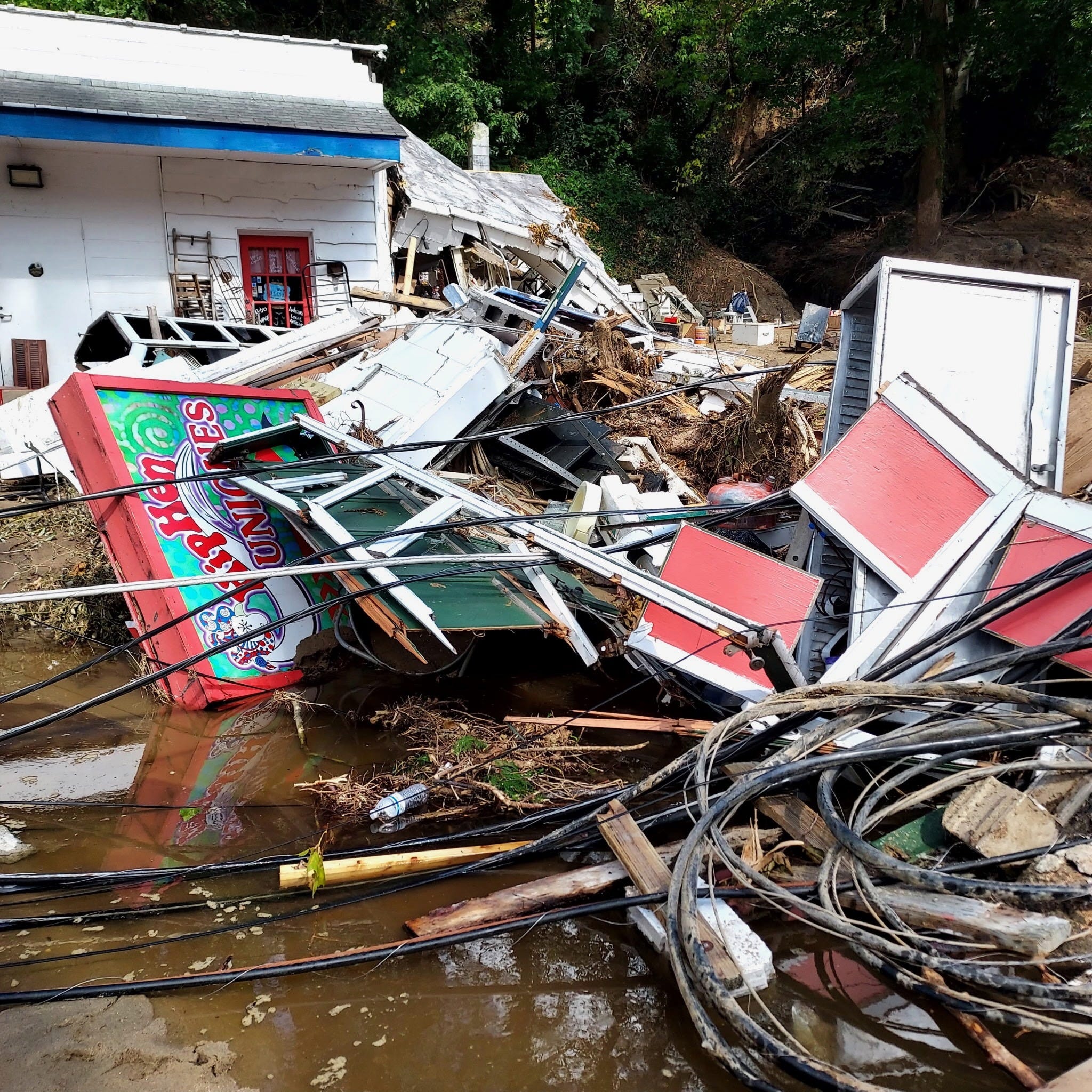
What the network is meant to catch
Nearby Nearby Network, the nonprofit built out of that response, works from one idea: identify the places a community already trusts- a church, a store, a local business- before anything happens, and equip them to function when everything else goes dark.
Rhonda described a scenario to explain how the hub model closes a gap first responders can’t always see. A neighbor on oxygen loses power, and it’s dangerous. A local hub already knows that family. Federal resources, state resources, and first responders probably don’t.
“As a fuel coordinator, I can go and see who’s all getting generators, which means they obviously need fuel,” she said.
The hubs are meant to eventually run on solar and satellite equipment so they can stay online without cell service, and to report specific needs instead of general ones. She gave this example: instead of 32 pallets of assorted supplies showing up at a hub that needed one thing, the hub could report exactly what’s needed.
“Please send me only size 7 diapers,” she said, “not 32 pallets of everything.”
That specificity makes it easier for large organizations coming in behind the initial response. “There’s a better coordination of the supplies going in,” she said. “It’s easier for FEMA and larger organizations to be like OK, I’m the Red Cross, and we’re bringing in first aid... they can see that these areas were hit harder.”
Bat Cave
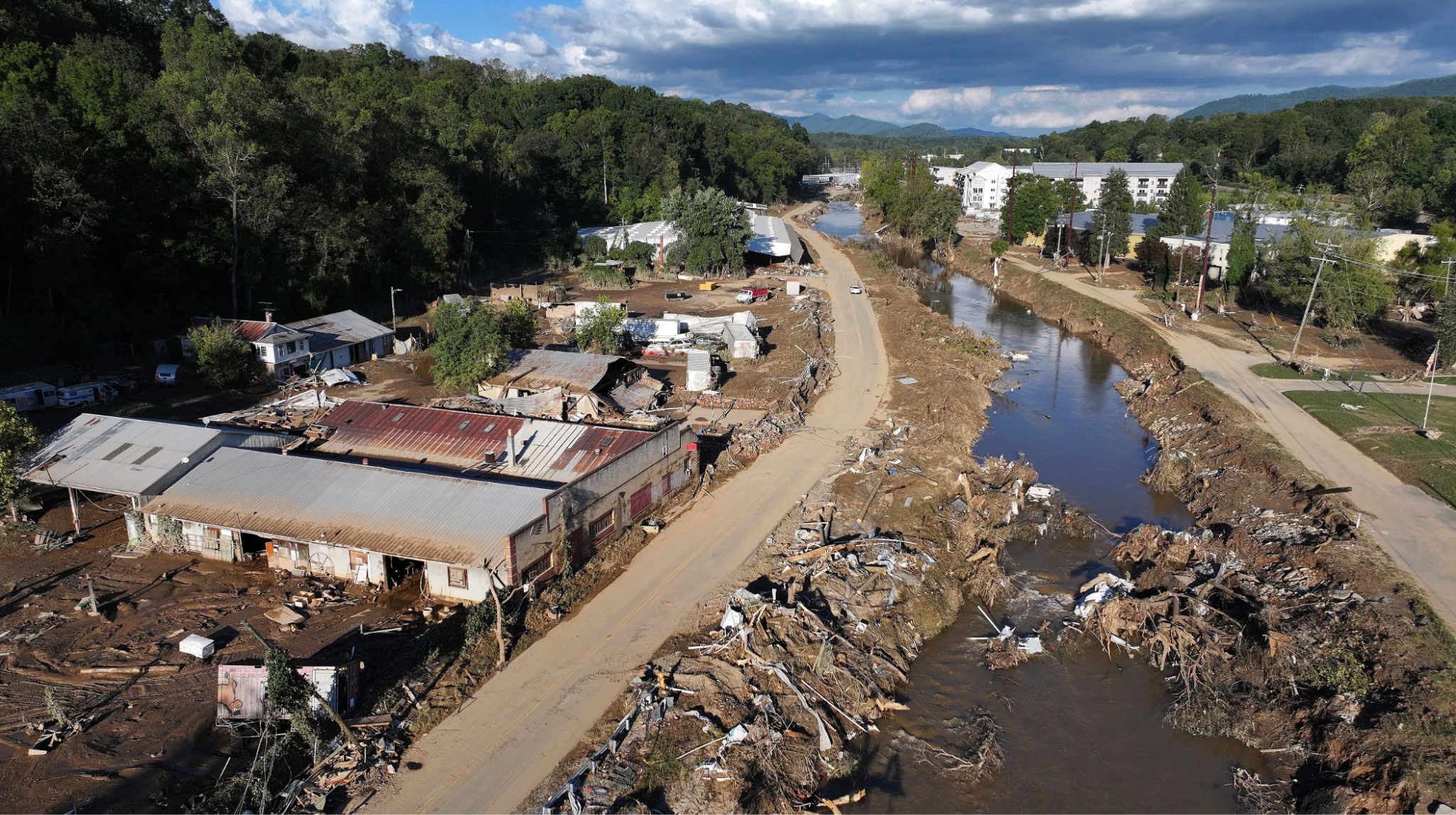
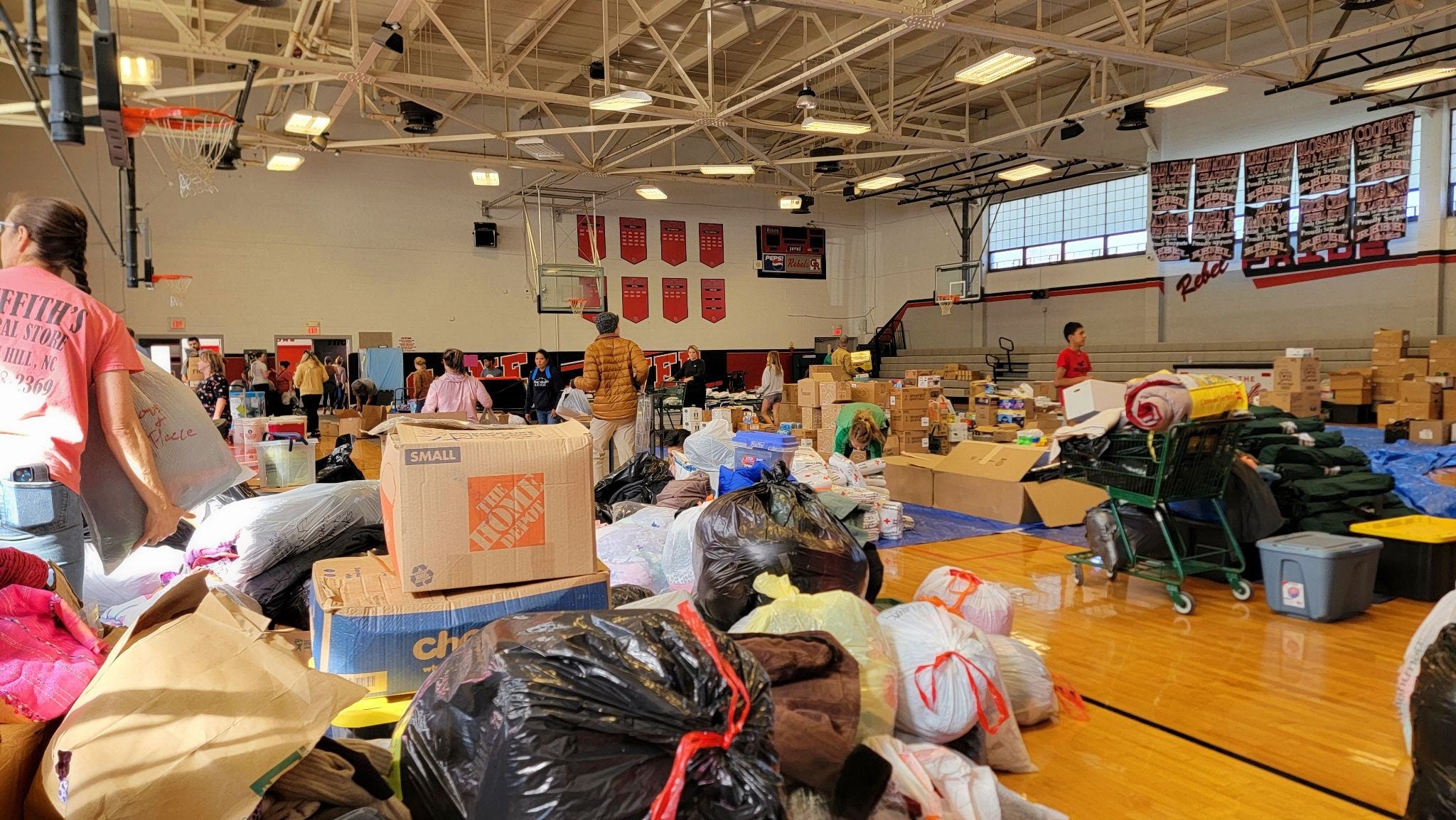
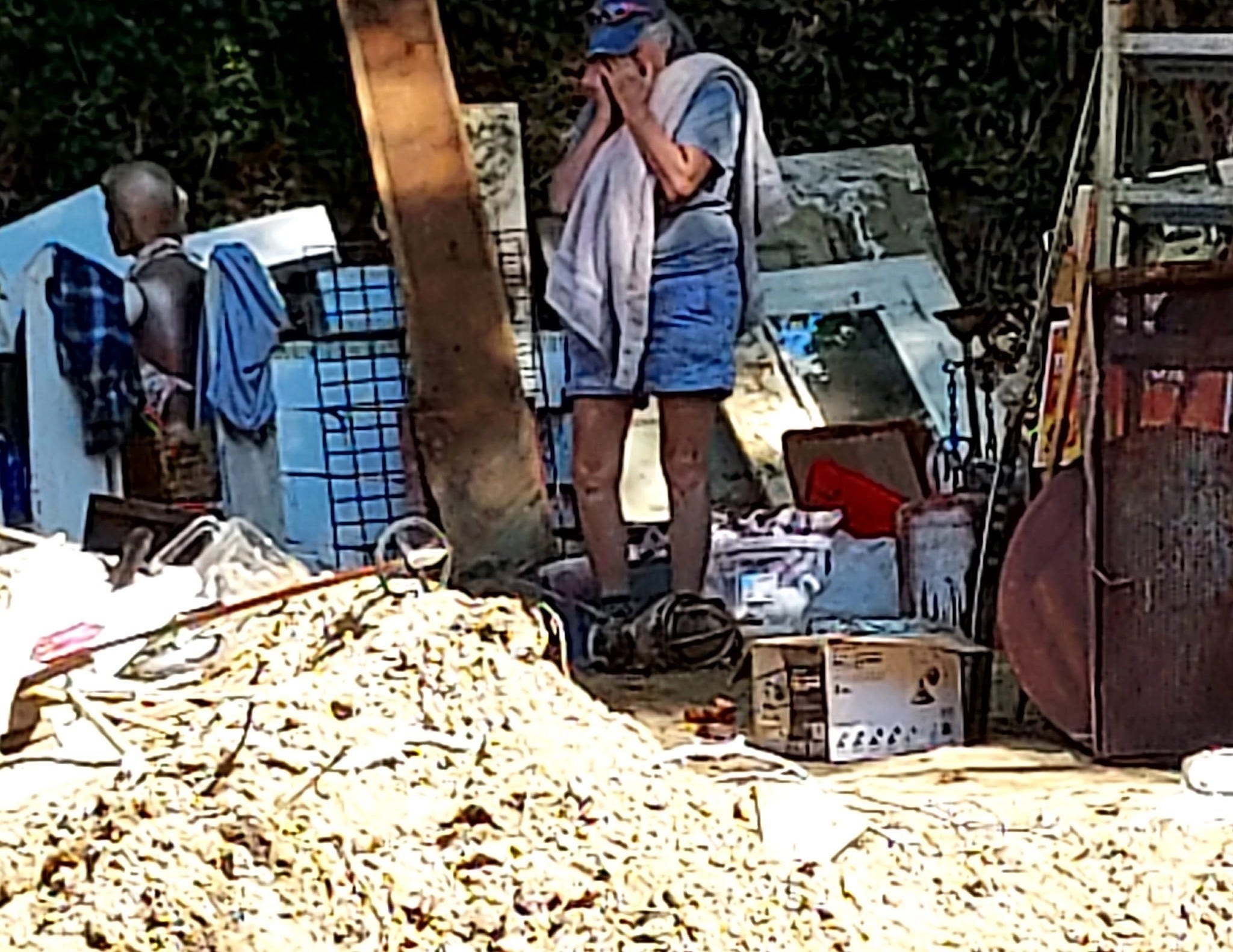
Bat Cave is unincorporated. No mayor, no police department, no seat at the county table to argue for it after a storm. She learned that the volunteer firefighters there knew 24 hours ahead of time that Helene was going to be bad, and knew people needed to get out. Six hours into the storm, they lost communication. The radio systems still working were so overloaded that checking in became difficult.
“They were devastated pretty hard, Chimney Rock and Bat Cave,” she said. “But Bat Cave is unincorporated and not as big of a tourist area, so it just didn’t get the same attention”.
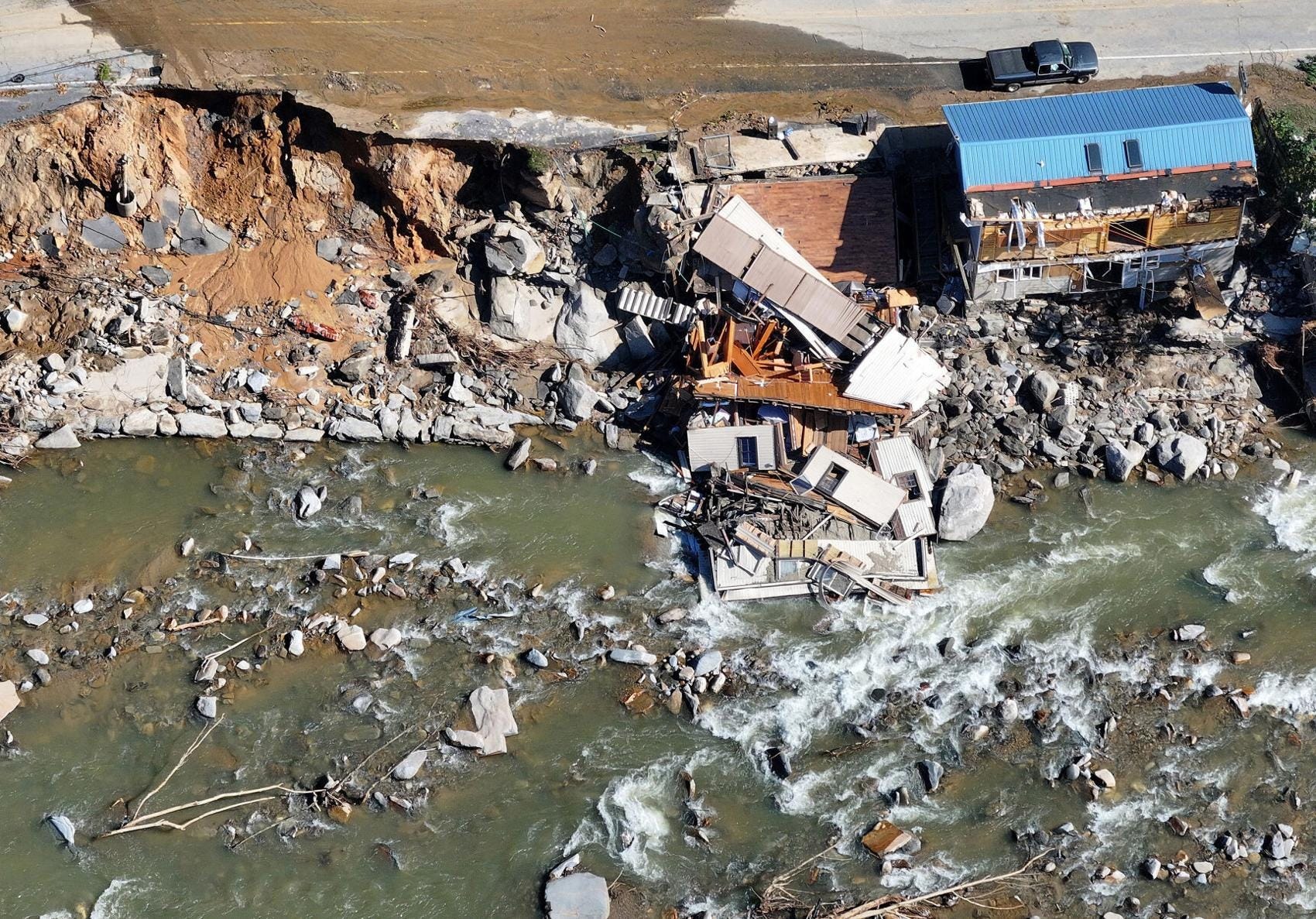
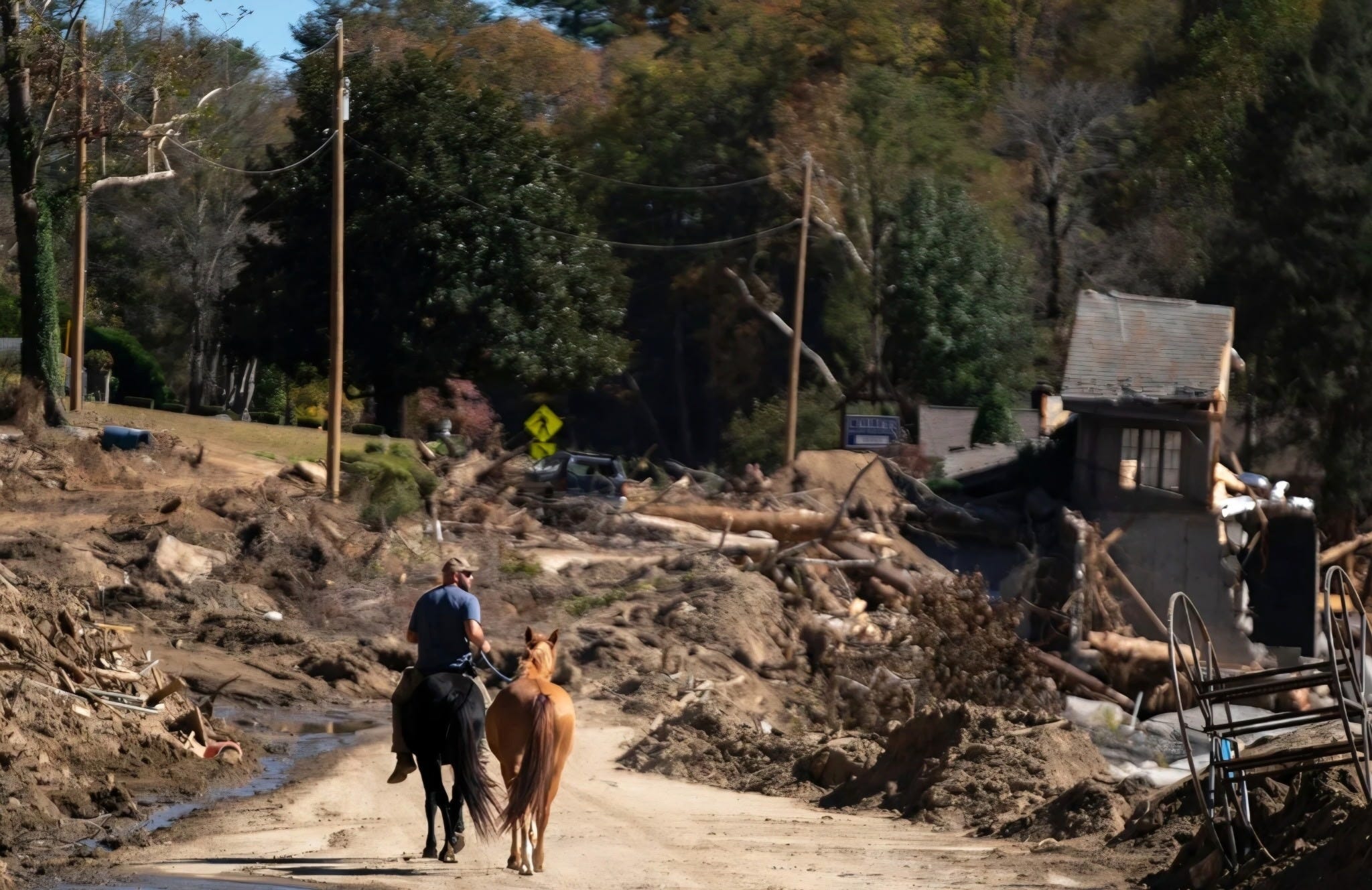
The same divide showed up again during cleanup. One county’s smaller trucks could handle the damaged road and were already driving it regularly. The other county’s trucks were too large to make the trip, and no formal arrangement existed to let the first county simply get paid to finish the job.
“I don’t think that’s thought about,” she said. Later, describing the same story: “I think that’s lost in the actual story of recovery, because it affected a person, or maybe four or five people.”
An airport’s underground fuel tanks were at risk of flooding. Someone in her network remembered she did fuel coordination and reached out. Within hours, by her account, a truck was on site pumping the tanks so the fuel wouldn’t leach into the ground or the water beneath it.
“I had no idea how to get fuel out of an airport tank,” she said, “especially when the mountains are all torn up, and trucks can’t get there... we shared it within our network. Literally within hours we had a truck up there pumping that fuel.”
It’s the kind of moment she points to when explaining why she believes sharing information matters as much as showing up in person. “It was amazing to me how fast we had things happening,” she said, “because someone saw something we put out for a need, and they shared it, and they didn’t realize someone in their network had that solution.”
Also for Everyday Life
Nearby Nearby Network is only one side of the equation. Rhonda also runs a platform which is a community hub network for everyday life. It runs on a similar model, but is designed to help rural communities connect to and strengthen themselves. A local business can advertise its specialities, local makers can share based on interests, and a single mom can find free activities near her all in one place.
She’s permanently leased the platform to the nonprofit for free, so no future leadership could ever start charging communities to use it.
When asked why this work matters to her personally, she talked about her mother, who raised her after her father died and worked while parenting with almost no time to spare. “The few free times that she had, she shouldn’t be spending trying to figure out what we can do,” Rhonda said. “She can just go to a platform and be like, ‘ Hey, I need free events with kids this weekend in my community, and I can tell her, so she can go spend actual quality time with her family.”
Listening to Rural Communities
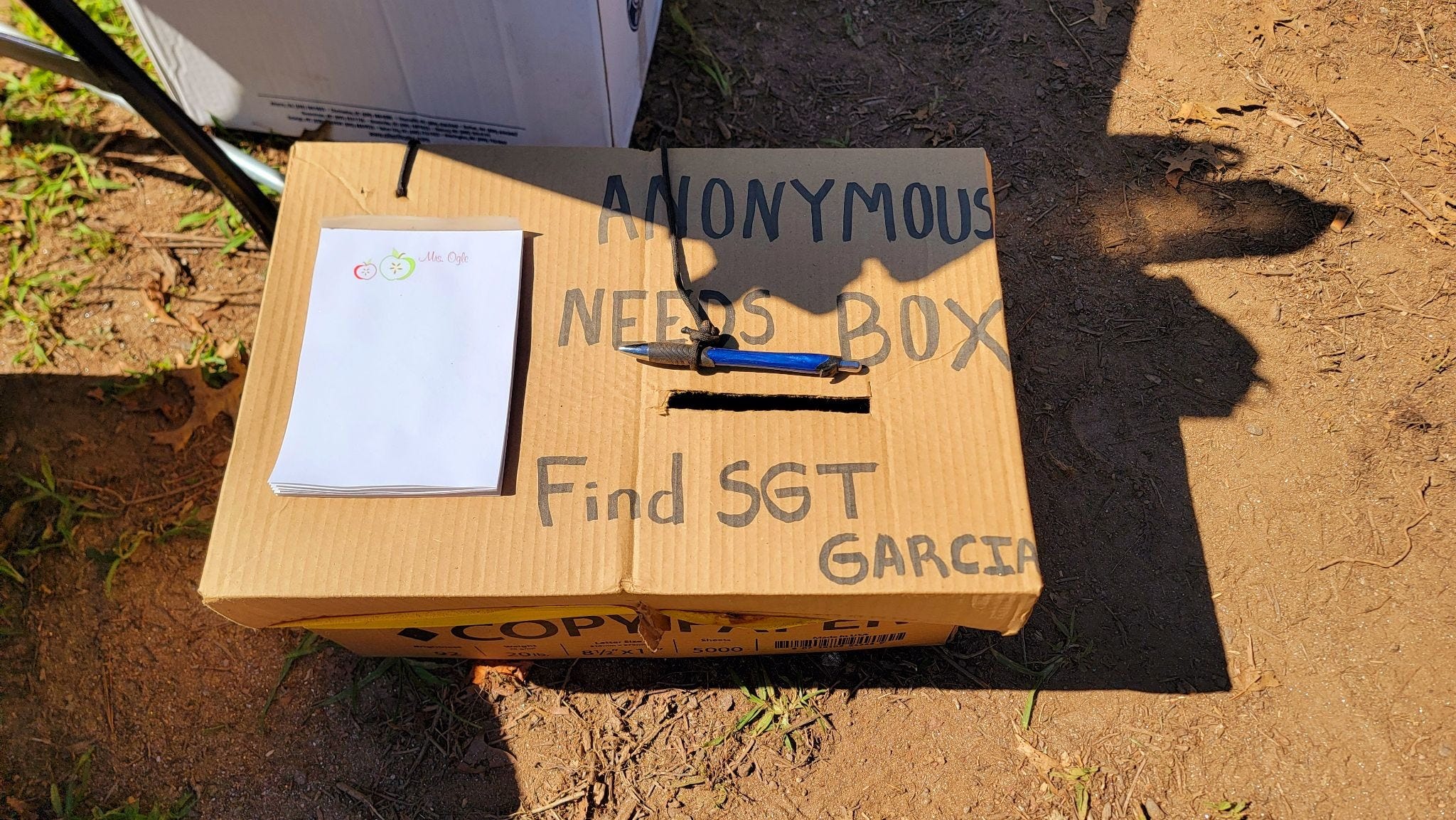
Rhonda is halfway through an eight-stop listening tour through rural North Carolina. Four stops in, Rhonda says the tour has already changed how she thinks about the platform. Talking with someone whose business network helped mobilize donations early in the Helene response, she realized how much of the work is logistics: matching a truck full of donated supplies to the right destination, tracking who’s picking up what, giving volunteers a way to log hours that could later count toward a state’s federal funding match.
The biggest thing holding back a faster launch right now, she says, is volunteer GIS expertise. She wants people who understand the full range of what’s possible with geographic information systems and can help put it to use well. That groundwork makes everything after it easier, mapping and identifying hubs and community assets as the platform gets built out.
She’s also looking for funding to build out the technology, and for people who understand mesh networks and radio systems. Ham radios, she said, were a lifeline during Helene when cell towers went down.
How to help
Rhonda is collecting stories through a survey from anyone who has lived through a disaster, helped a neighbor through one, or simply wants to be heard on what a community needs before the next storm.
You can share yours here: https://docs.google.com/forms/d/e/1FAIpQLScke6vwmMhM8oEoxSIhbYLL_N8VJNkT8e6rJDrYMdKT_FJWPA/viewform
If you’re a community leader who sees your own town in these stories, or if you have expertise in GIS, mapping, mesh networks, or radio communication that might be useful to her, reach out to Rhonda directly.
Email Rhonda: rhonda@nearbynearbynetwork.org
Learn more about Nearby Nearby:
https://nearbynearbynetwork.org/
Follow Rhonda on Instagram: https://www.instagram.com/lifeofrhonda
Follow Rhonda on LinkedIn: https://www.linkedin.com/in/rhonda-jean/
Follow Nearby Nearby on LinkedIn: https://www.linkedin.com/company/nearby-nearby-network/
Follow Nearby Nearby on Instagram: https://www.instagram.com/nearbynearbynetwork
Follow Nearby Nearby on Facebook: https://www.facebook.com/nearbynearbynetwork/
Donate to Bat Cave Disaster Relief: https://www.batcavedisasterrelief.com/donate