

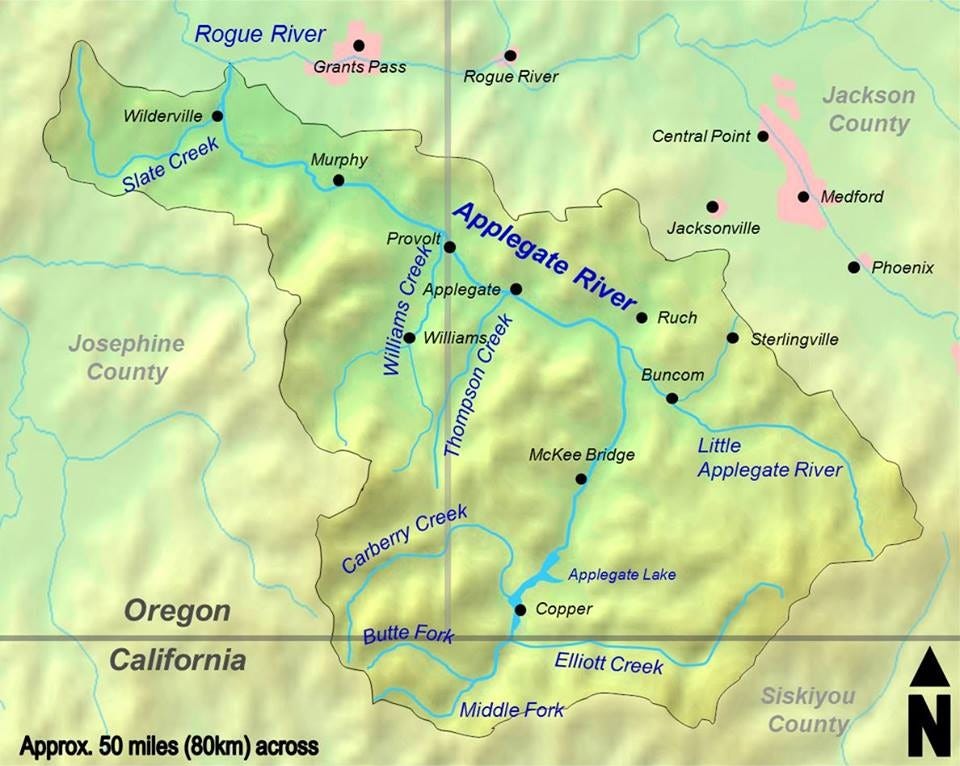
The Applegate Valley in southern Oregon is 500 square miles of river corridor, mountain ridgeline, and forest, spread across parts of two counties, two states, with no incorporated city, no unified local government, and in many pockets, no reliable cell service. Twenty thousand people live here. When something goes wrong, there is no obvious place to call.
This summer, things changed.
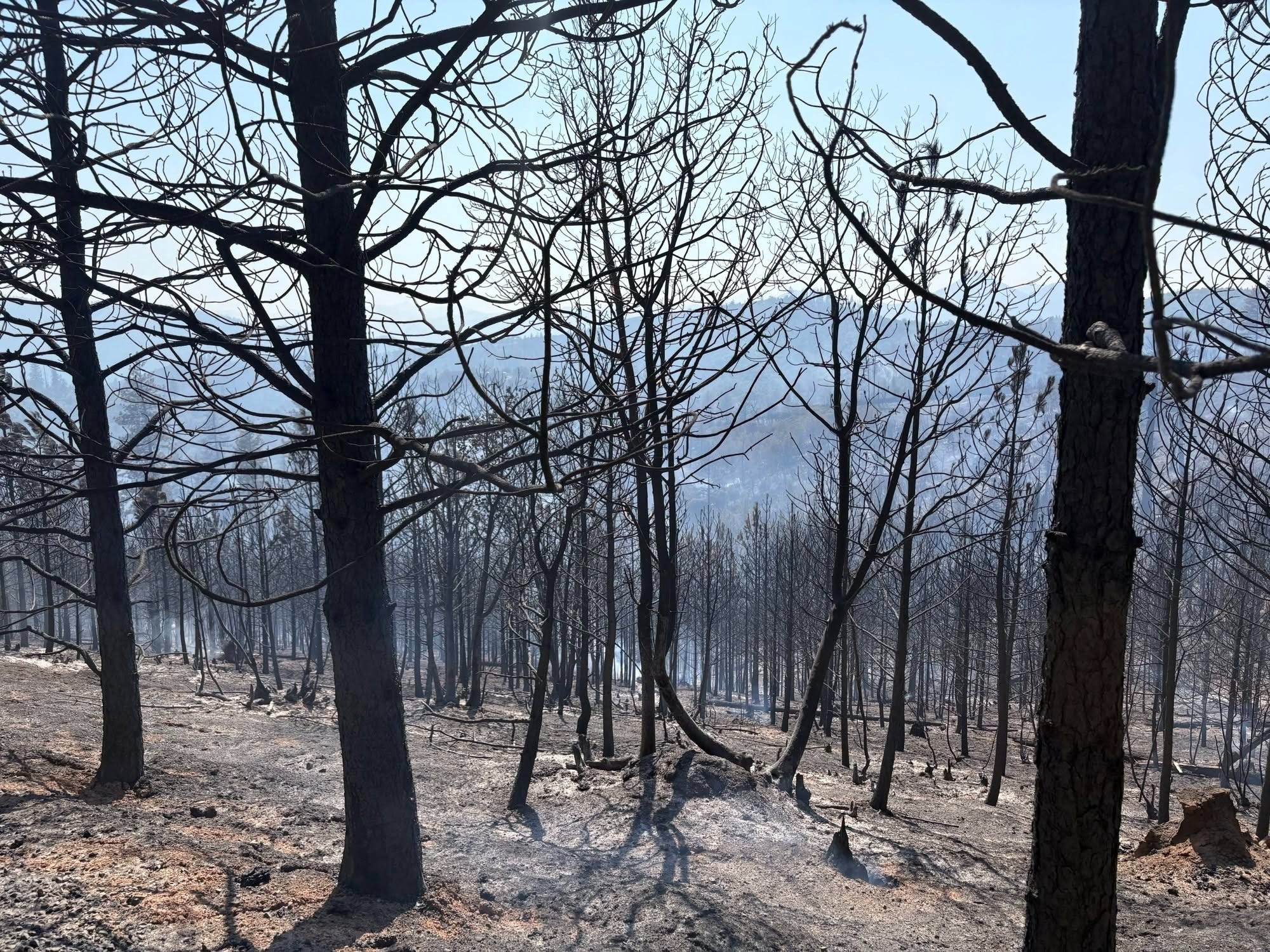
On the afternoon the Woodrat Fire broke out, Megan Fehrman, Executive Director of A Greater Applegate, was sitting in a meeting with the Applegate Partnership and Watershed Council, talking about forest and fire issues. She described the scene:
“The fire started about twelve thirty PM, and I was in a meeting with our watershed council, and we were actually talking about forest and fire issues. This is not the first time a fire has broken out during one of those conversations.”
When the Pulse Point alerts started hitting phones around the table, she could see the smoke from where she sat, just a few miles away, on the other side of the ridge. She got a text from Jackson County Emergency Management asking if she was going to activate the Resilience Hub. Power was already going out for over a hundred households. Three evacuation zones were called almost immediately.
So, they activated.
The Greater Applegate office sits in Ruch, in the Sunshine Plaza, right along the route many evacuating residents would travel. Megan opened the doors and set up an information station. A ham radio base station had been installed in the office that Monday, four days earlier. The timing, she said, was stunning.
Between the ham radio, a mobile Starlink internet connection, and cell service in that part of the valley, she had three ways to stay in communication with emergency management, with the Community Organizations Active in Disaster network, and with the Red Cross coordinating the shelters. Jackson County Emergency Management sent one of their own people out to be an information liaison alongside her. They listened to the scanner together, watched the planes fly over, and shared information with anyone who came through.
The library, another planned resilience hub location in Ruch, was under a level one evacuation notice that day. The A Greater Applegate’s office was not.
Mia Lacerte, AGA’s Communications and Engagement Director, was working in the background, creating graphics, fielding questions on social media, and posting updates as conditions changed while Megan held space in person. In the August A Greater Applegate newsletter she sent to the valley, she wrote:
“Communication, much like community, takes tending. There is still room for us to grow in how we share clear, streamlined information with steadiness during an emergency.”
The hardest part of the response, as Megan described it, is the same challenge that shapes almost everything AGA does in the Applegate: the people who most need the information are often the ones least likely to receive it. When power goes out, text alerts are gone. The Facebook event page AGA set up to consolidate fire information goes dark for anyone running on satellite internet that’s just lost power. The resilience hub model is partly an answer to that: a physical place people can travel to, one that AGA has been talking about publicly for over a year so that when a fire comes, people already know it exists.
MERV, which stands for Mobile Emergency Response Vehicle, was donated and outfitted by the American Red Cross through their Community Adaptation Program. It is a truck, and AGA needed a truck to transport materials and create a mobile hub because almost everything they do happens somewhere across a valley that has no community center and no shared civic space. They throw the Jacksaphine Count(r)y Fair to celebrate the Applegate Valley, which includes fifteen events over eight days between September 19-27th. They support a weekly farmers market from May through September. MERV carries what the work requires.
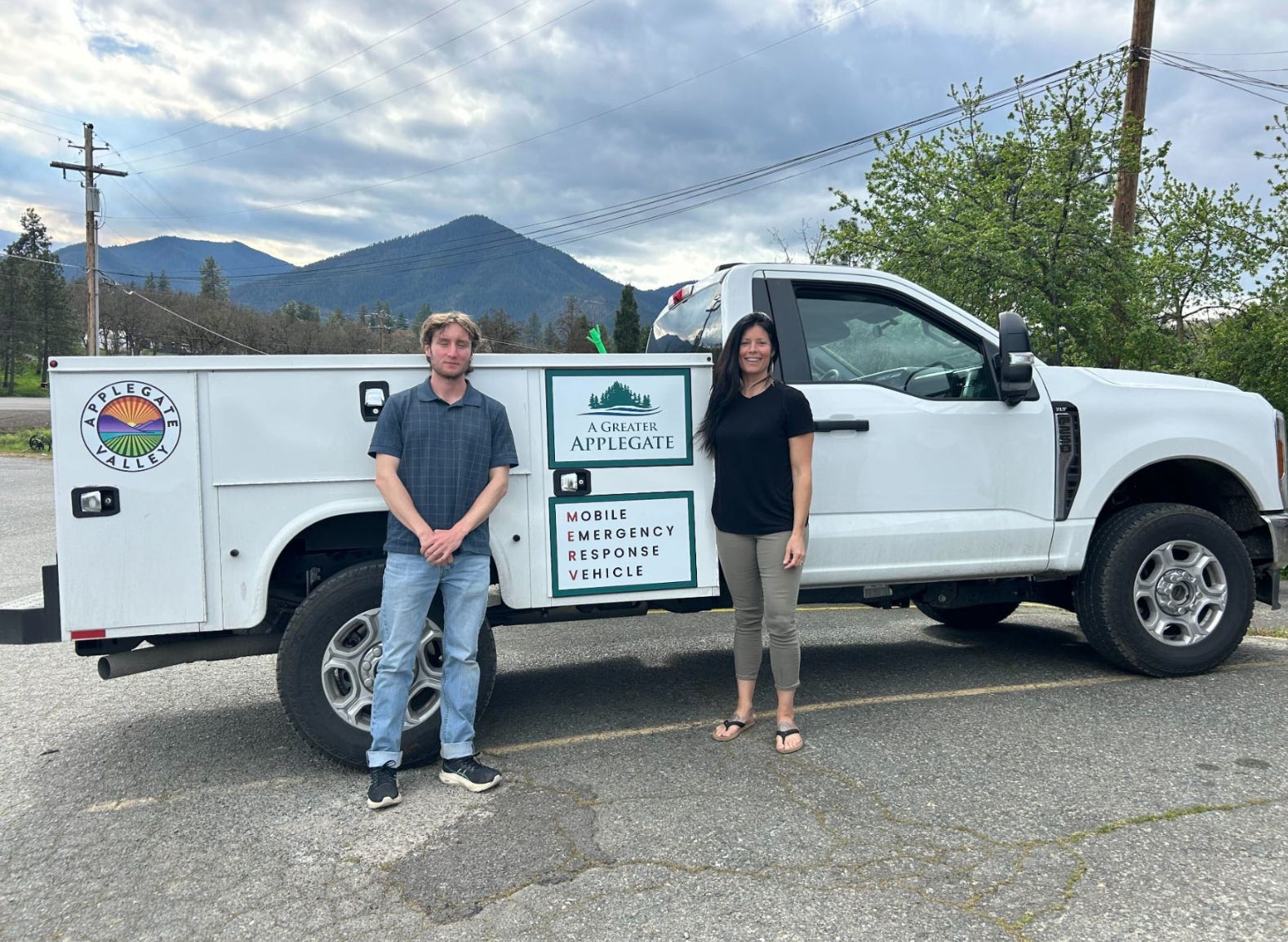
Liz is the trailer MERV pulls, named affectionately after Elizabeth Taylor in honor of MERV (Griffin), and the combination is what made the mobile market possible. The Applegate Evening Market, which Jaimy Wilkinson has managed for four seasons, draws vendors and visitors to the Lindsay Lodge on the river every week, and by Wilkinson’s account, the market has grown considerably since its early days, attendance up, energy up, vendors satisfied with what the location has become.
Liz transports products from the local agricultural ecosystem around and outside of the Valley. Instead of every farmer loading their own vehicle and driving separately to a neighboring market, Liz aggregates what Applegate Valley growers have made and grown and arrives somewhere like the Talent Artisans and Growers Evening Market already stocked. SNAP and Double Up Food Bucks are both accepted.
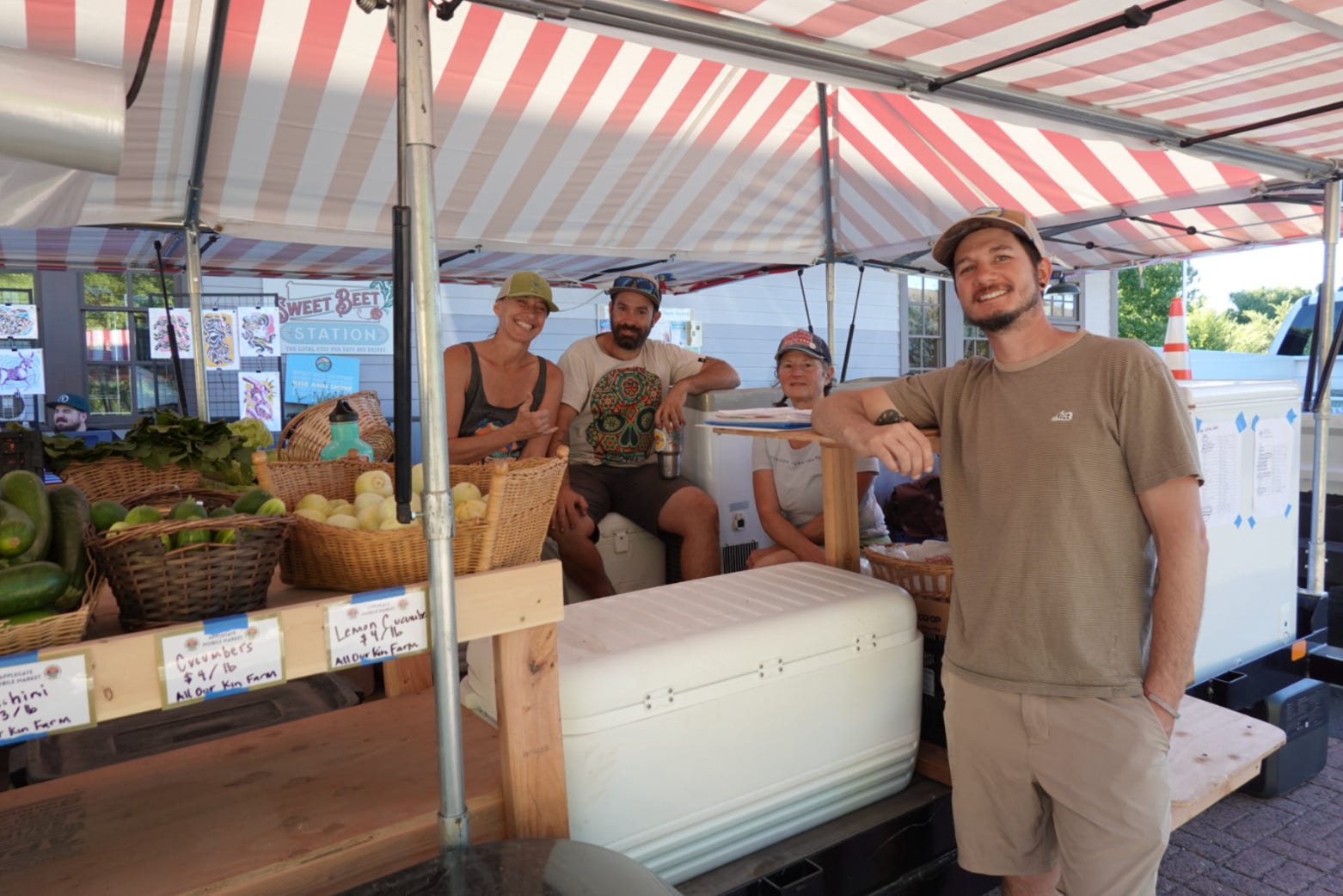
Mia was at one of the stops this season. She described what she saw as “a well-curated, double-sided farmers market booth on wheels,” and said what surprised her was how much coordination is needed behind the scenes to create something this cohesive.
The trailer’s kitchen buildout is planned for fall and winter, which will eventually allow it to prepare meals for events or in an emergency. MERV is still getting its solar inverter and water purifier installed.
We also asked Megan Fehrman, Executive Director of A Greater Applegate, about the mobile market. “We’re still discovering all the potential uses and ways that these two resources can be employed,” she said. “We need patience from folks because we don’t have it all mapped out, but this year’s pilot projects and winter debrief will help guide what comes next.” Megan also mentioned that a few hours at a neighboring market is closer to an eight-hour day once you account for loading, driving, setup, breakdown, and the return trip. Gas, maintenance, and storage all carry costs too.
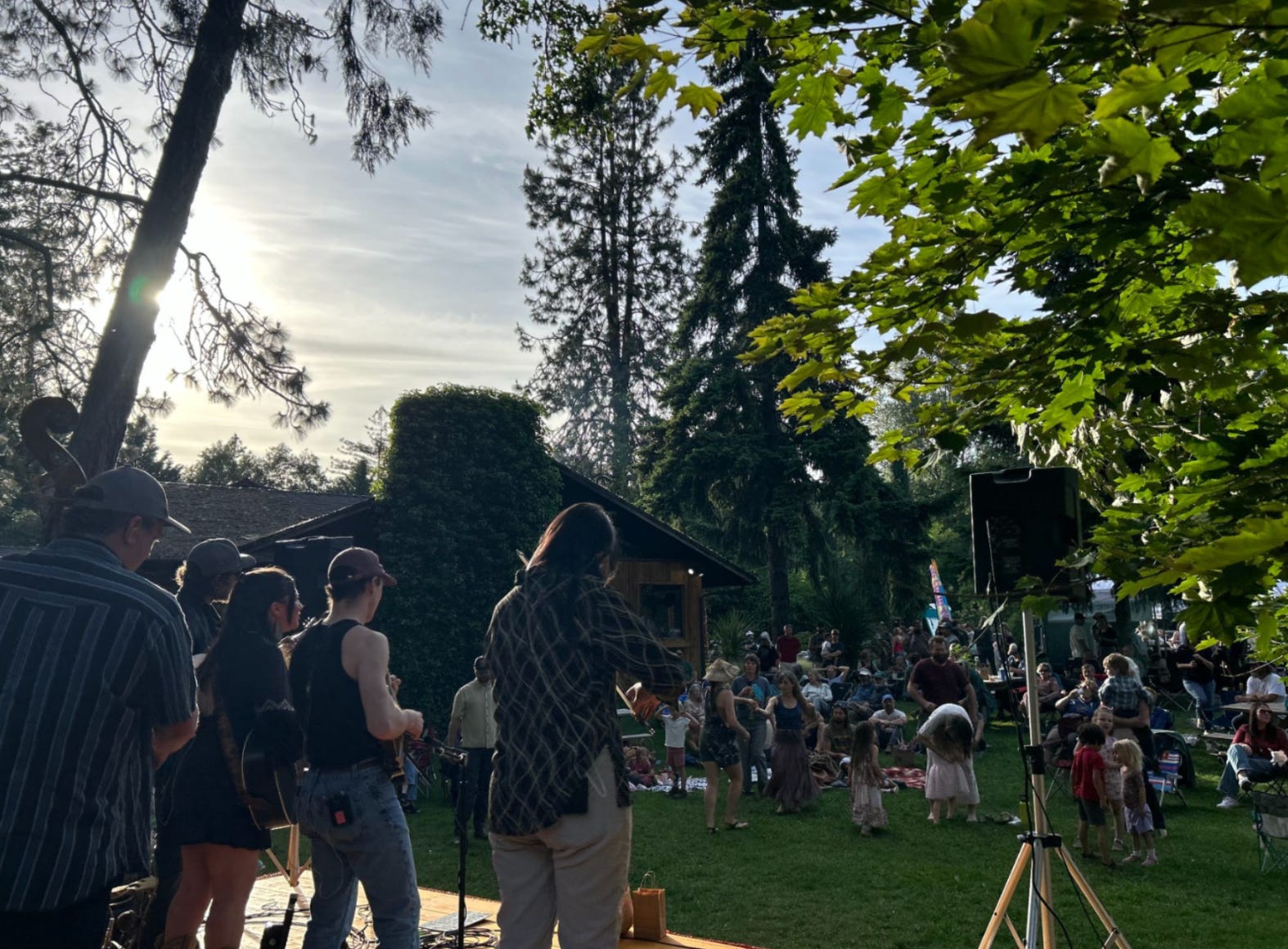
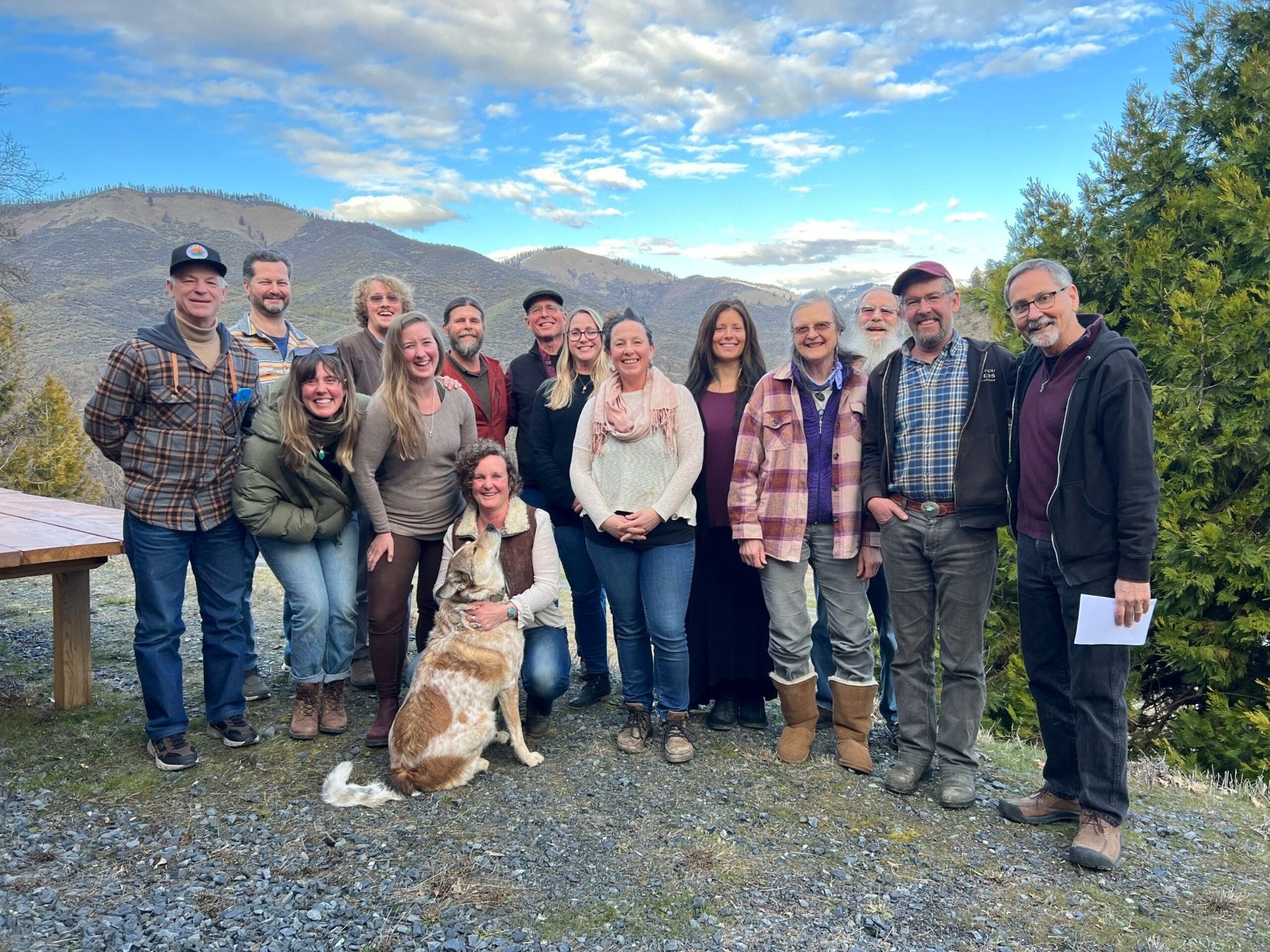
A Greater Applegate became known as AGA in 2017, marking the transition from its earlier role as operator of Cantrall Buckley County Park to something broader. The organization reorganized into a backbone community organization after a valley-wide listening process drew more than 300 participants and produced a 90-page community vision document. That process required going to where people were- wineries, backyards, barns- because one community-wide meeting would have left out entire sections of a 500-square-mile unincorporated valley where people on one end rarely travel to the other. The listening sessions for the Applegate Valley Vision happened in those borrowed spaces, and they revealed what the community already knew but needed infrastructure to support.
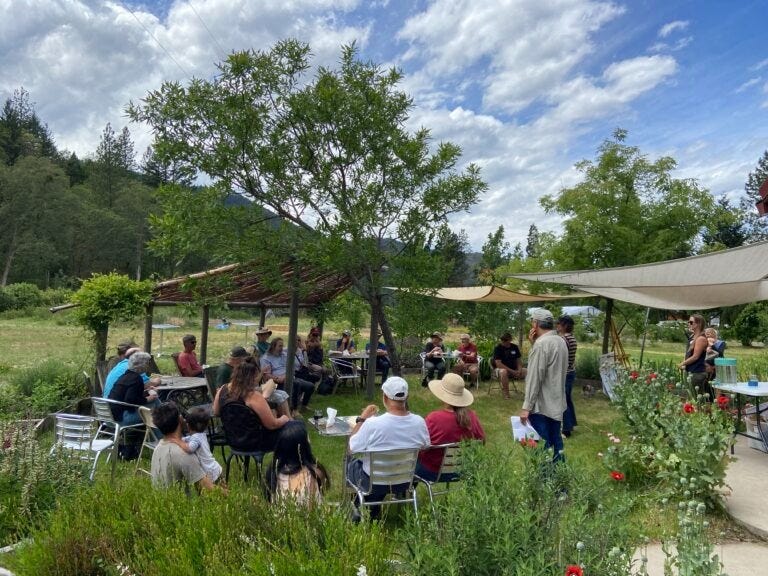
Megan described what it took to earn trust in the early years, completing small visible projects so people could see that something was actually happening. When AGA installed welcome signs at both ends of the valley, she said people responded well.
Megan also talked about what the work has meant to her personally: “There are people who live here who think that the Applegate Valley is a better place because A Greater Applegate is part of it. And that means a lot to me.”
The Resilience Hubs in Ruch and Williams are both built around existing infrastructure. In Ruch, the library, elementary school, and a church all share a fence line. In Williams, a grange, a library, and the Sugar Loaf Community Association cluster together. None of those spaces yet have full backup power. The plan is to develop their infrastructure over the next couple of years so that when conditions are bad, they can function even if the grid goes down. MERV is the mobile version of that effort, the one that can go wherever the situation requires.
If you want to support this work, AGA is asking for support through joining the Applegate Love Club, a monthly donation program designed to give the organization steady unrestricted funding between grant cycles. With a shifting grant landscape, community support is increasingly what keeps the programs running. Please consider a donation to help fund this continued resiliency work.
The Jacksaphine Count(r)y Fair runs September 19-27 and is a good reason to visit if you’re anywhere near southern Oregon this fall.
Learn More at agreaterapplegate.org
Follow A Greater Applegate on Instagram.